I’ve never been a big fan of Leonardo Di Caprio’s work, but this movie is basically Matrix for the 2010’s. Christopher Nolan (the man behind the last two Batman movies) shows again why he’s regarded as one of the best directors in the business for his mastery of both action sequences and the mental processes that take characters there.
Category Archives: in english
Holidays in China, part II
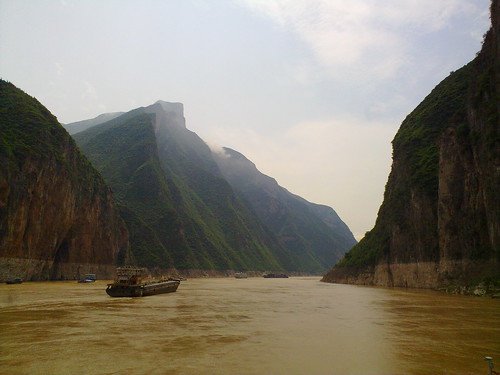
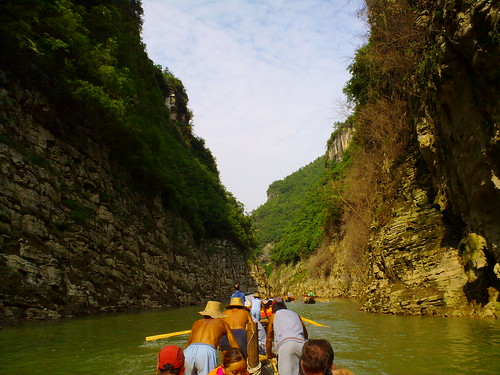
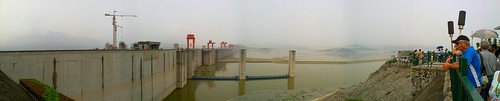
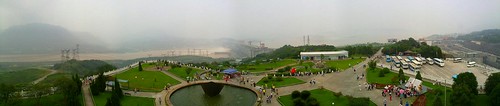
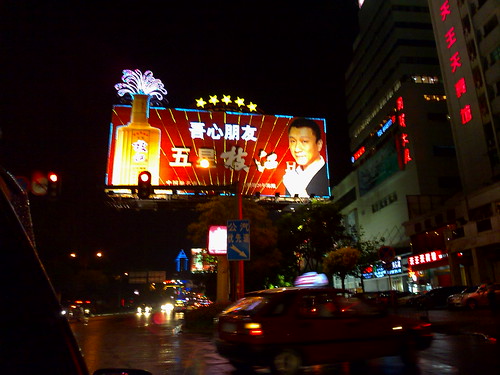

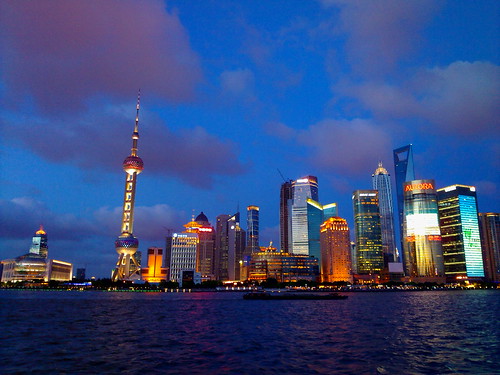
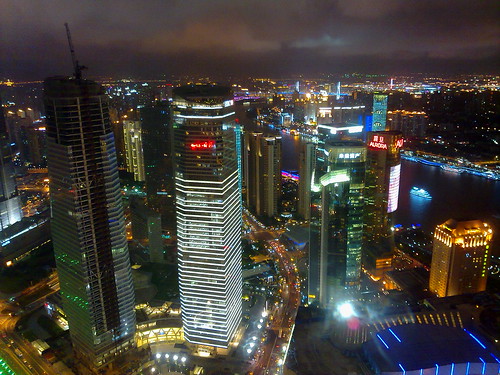
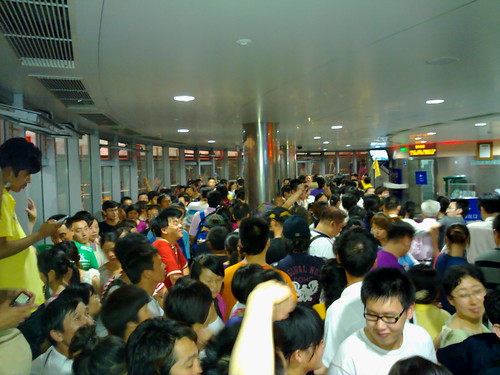
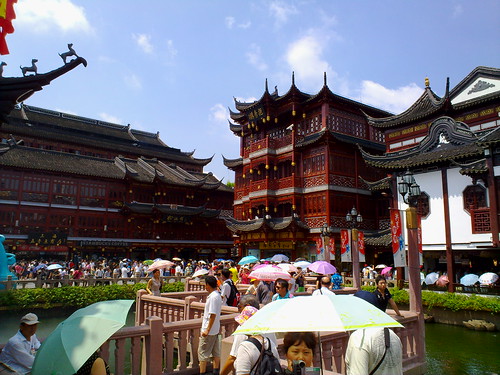
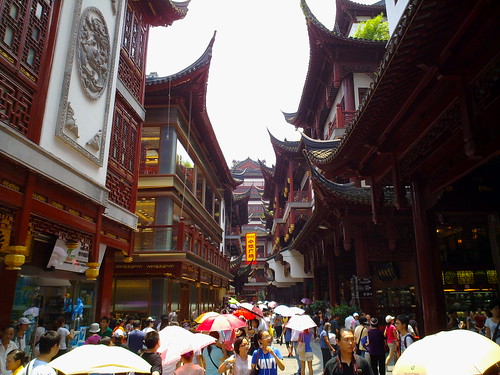
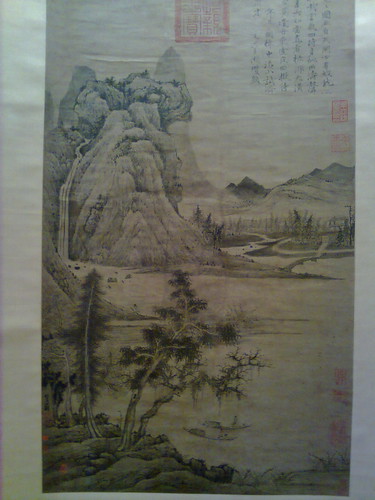
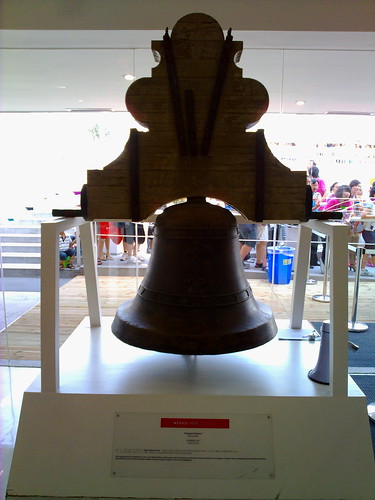

Holidays in China, part I
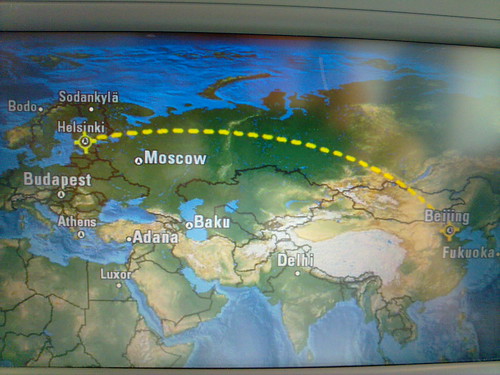
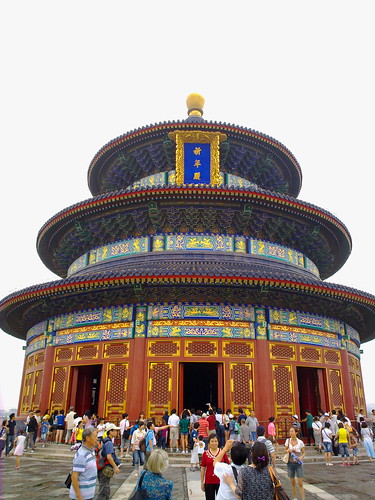
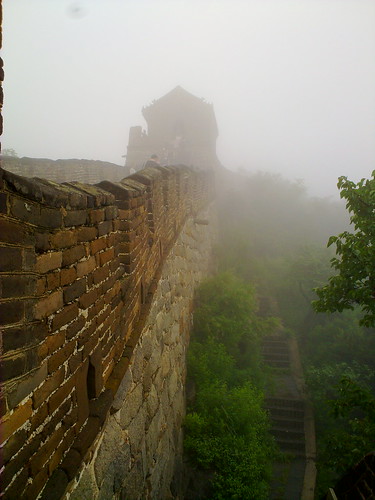
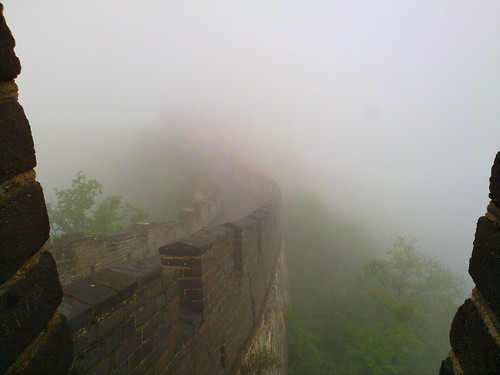
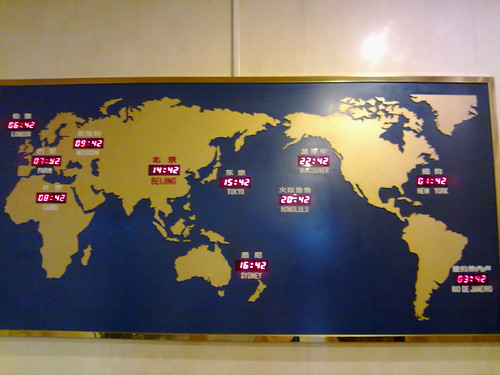
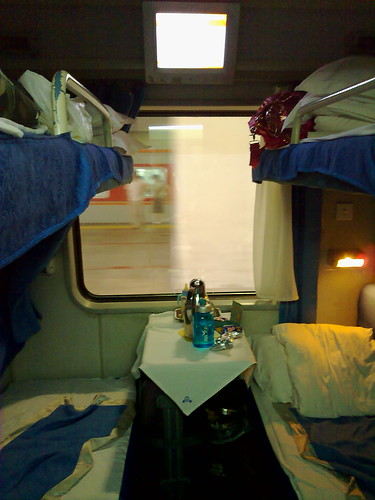
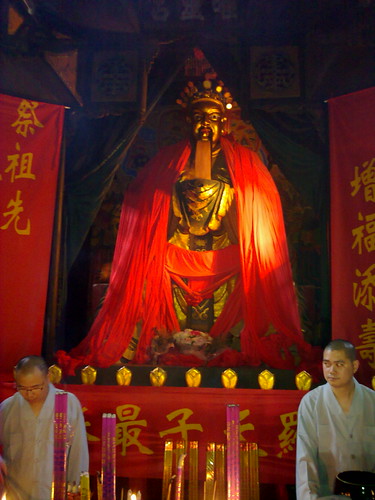
We spent 2 weeks in July in China. Our route took us to Beijing where we stayed a few days, then we took an overnight train to Chongqing from where we boarded a ferry through the Yangtze River and the 3 Gorges to Yichang. After sleeping there the night we took another train to Shanghai, where we stayed 4 days before returning back to Finland via Beijing. It was quite a route as you can appreciate in the map below (we spent 60 hours in trains).
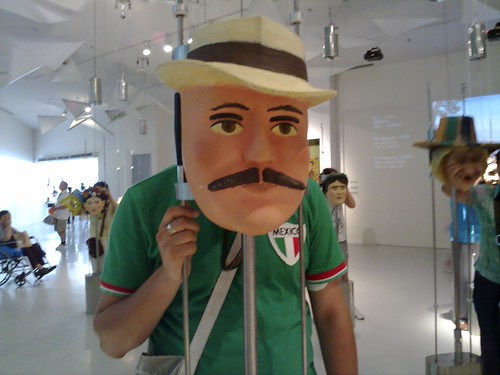
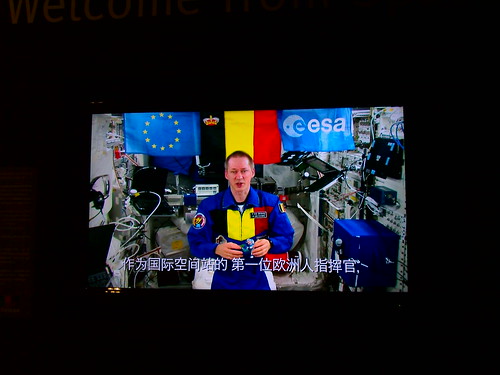
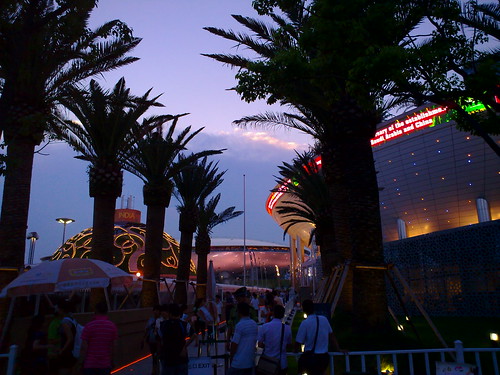
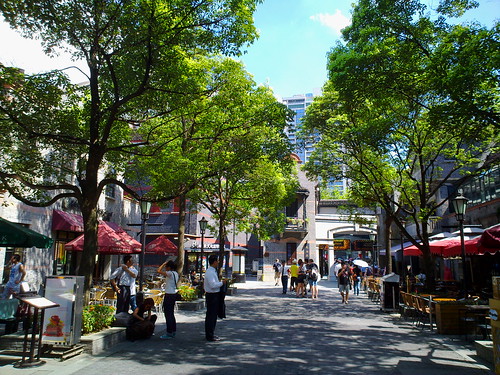
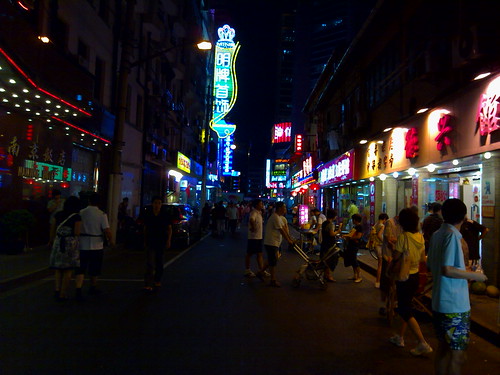
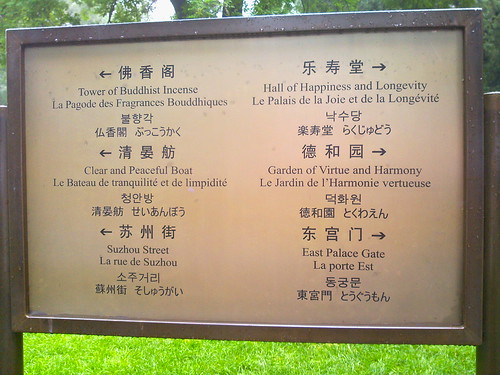
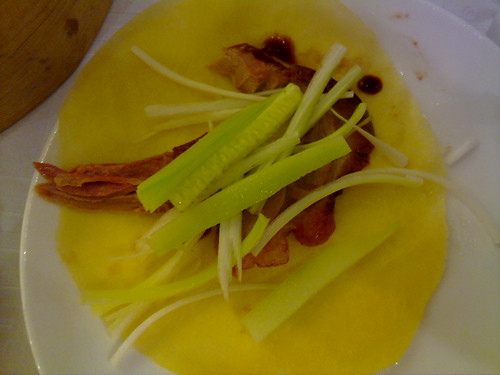
It was very interesting as an experience, the sights are amazing, generally very safe, the people are usually kind and I thoroughly enjoyed the food. However, we were more than once assaulted by culture shock. China is not renowned for being one of the cleanest places on earth and the crowds, while expected, are not nearly as polite as in Japan or even Mexico. However, as usual, the story is better told in pictures and videos (the rest are found in my Flickr stream as before).



Recap: Mexico in the World Cup
The last month has seen a dearth of posts in this blog for two very simple reasons: work has been absolutely hectic and the World Cup has overtaken the little available spare time I have.
The Mexican team was eliminated in the second round of the World Cup, but I wanted to recap on its campaign in the tournament (for the full tactical analysis go here). Its preparations were the best in recent memory, doing not only the usual tour of the US against mid- to low-tier teams but also a tour of Europe, where the team lost against England and the Netherlands but beat Gambia and Italy.
As the Tricolor played the opening match against South Africa expectations were very high, but the team looked imprecise (if you could blame the ball the time was now) and lacking killer instinct in the last third of the pitch. South Africa scored a beautiful goal on the counter and Mexico had to search further, with captain Márquez saving our blushes (and our chances to qualify for the next round).
The second game, against France, was the one everybody expected the team to lose. The French team, however, hadn’t read the script and arrived tired, divided and overconfident. Mexico, having performed some changes in defense compared to the first game, looked the better team throughout, but it was the introduction of youngsters “Chicharito” Hernández and Pablo “Dinamita” Barrera that really made a difference. The first open the scoreboard and the second provoked a penalty that sealed the game as 2-0 in our favour. The victory was celebrated by the 110 million Mexicans in Mexico and the 30 million abroad, it was the main news item in domestic media and life was good.
The third game of the group stage was weird: Mexico and Uruguay could go through to the next stage with a draw, while a victory by either team would mean trouble. Both came out swinging anyway but it was Uruguay who scored the only game in the match. Mexico would meet Argentina in the second round… just like in 2006.
Expectations being enormous, it was the Mexicans who played the better football in the first 30 minutes, until a blatant offside goal gave Argentina the lead and totally crushed Tri concentration. That was obvious with the second albiceleste goal, rising from a childish error in defense. The 3rd goal for the South Americans, however, was a thing of beauty and there’s nothing the opposing fan can say about it. Mexico picked up the pieces and it was again “Chicharito”, coming as a sub, who led the Mexican charge and scored what in Spanish is called the “honourable” goal, but that was it.
Aguirre, the coach who saved the Mexican qualification campaign, will not continue at the helm of the national team, but many of the men he picked are called to become the backbone of the group that will seek to play in the next World Cup in Brazil: Ochoa, Moreno, Aguilar, Guardado, Dos Santos, Vela, Hernández, Barrera are all under 24 years old, and many are either playing in Europe or have the possibility to move here within the next 4 years. Other players who figured in the team but didn’t make the trip to South Africa are also young, so right now would be the time to find a good coach, create a proper plan and stick with it.
Regardless of what happens, this is the moment I’ll cherish until I see the guys in green, white and red sing the anthem at the World Cup again:
Turkey once more
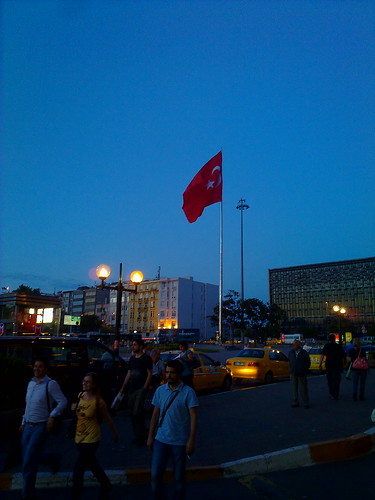
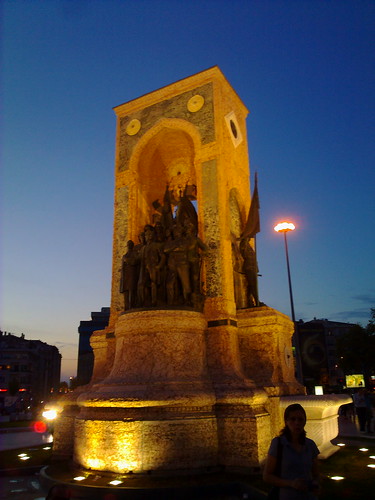
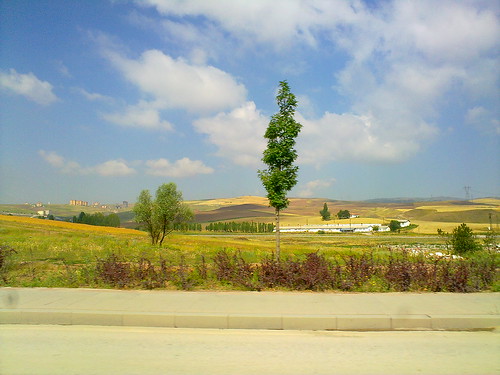
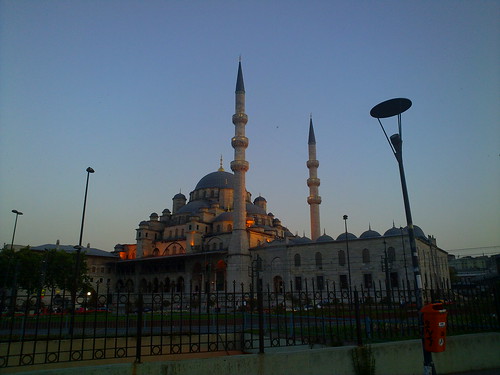
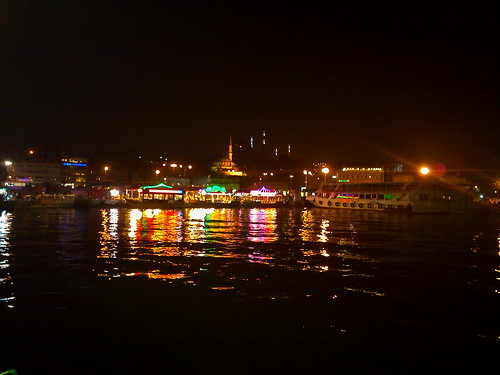
Spent some time in Turkey for work. It was quite a quick visit, but was still able to see more than just Istanbul this time. The rest of the pictures are here.
Recommended Book: The Facebook Effect
A very readable, if slightly biased, book on the origins and philosophy behind Facebook. If you want to know more about how startups grow and how Facebook works (or says it works), read this book.
More info: Facebook Effect fan page, Techcrunch
The day Televisa impressed me
Televisa (the largest media company in the Spanish-speaking world) is not a company I have traditionally liked very much due to its very strong ties to the PRI, the party that dominated Mexican politics for 71 years. Their operations have been usually extremely conservative with a tint of monopoly. The company, however, holds the rights for broadcasting the matches of the Mexican national football team together with its main rival, TV Azteca.
My surprise has been that in the year or two they have completely changed their attitude towards the internet, offering some of their TV content for free over the web, broadcasting live some matches of the national team (not the WC), and pushing Facebook and Twitter heavily in their mainstream media.
While I do not have enough information to know whether they have reacted this favourably because they have a solid online strategy or just through fear, it’s nice to watch Mexican news for a change even if the news items themselves are not that nice.
Helsinki for beginners
After being asked a couple of times what is there to see in Helsinki, I decided to write this guide using a previous post about Brussels for guidance.
Helsinki, at the northeastern corner of the continent, can be easily missed when touring Europe. While it is not the largest, nor the most cosmopolitan city of the Nordic countries, it definitely holds its own with a very interesting position and history between Western Europe and Russia. It is a medium-sized city between the forests and the seas with very marked seasonal changes. The majority language is Finnish, Swedish is spoken by a minority and almost everybody has a working knowledge of English. Other languages such as French, German, Spanish or Russian might not be as widely understood, but you might get lucky.

When to arrive?
Plan well according to the weather. Helsinki is 60 °N (as far north as Alaska) even if the climate is milder, so if you want to see snow you might get lucky in January-February, whereas June-July will be the highest part of summer.
How to arrive?
- By plane to Helsinki-Vantaa airport, one of the best in the world and an important hub between Europe and Asia.
- By train to the Central Railway station from other parts of Finland and Russia.
- By bus (e.g. Matkahuolto)
- By ferry or cruise to the Port of Helsinki from Germany, Sweden, Russia or the Baltic States (e.g. Tallink, Silja Line, Viking Line).
From the airport to the city
Quite easy. Local route 615 takes you from the airport to downtown (4 EUR), while Finnair also runs a bus service (5.90 EUR). A taxi ride to downtown will be approximately 30 EUR.
Transport within the city
Helsinki has one and a half metro lines, buses, trains & trams. I would recommend buying a 1-7 day travel card or if you plan to visit a lot of museums and sights, a Helsinki card which has those included.
- Don’t try to take the public transport without a ticket. Even though It is possible, the fines are quite steep.
- There are only night buses during weekends, so I recommend staying at a hotel within walking distance of downtown.
Accomodation
If you’re on a budget, check the hostels from the Finnish Hostel Organization. Otherwise, budget hotels like Omenahotelli are a safe bet. If you’ve got more leeway, international chains like Radisson, Holiday Inn and Finland’s very own Sokos Hotels have some very good locations in town.
Basic tourist information
Preparing yourself
What to see?
Basics
- The Lutheran Cathedral and Senate Square (Tuomiokirkko & Senaatintori)
- Market Square (Kauppatori)
- Esplanadi park
- Suomenlinna, The Gibraltar of the North. An island 20 minutes away from the Market square with an imposing fortress.
- The Church in the Rock (Temppeliaukion kirkko). How do you carve a church out of solid granite?
Further away
- Seurasaari open air museum, see how Finns used to live in centuries past.
- Uspenski Cathedral, the largest Russian Orthodox church in Western Europe.
- Kiasma Museum of Contemporary art. Location is centric, but it’s not for everybody.
- National History Museum. From Fenni to Vikings, to Swedes to Russians to Independence.
- Sibelius Monument. An interesting piece of art that doubles as a wind organ.
- Finlandia Hall: One of the most famous buildings by designer and architect Alvar Aalto.
Within 3 hours of the city centre
- Nuuksio national park in Espoo, 45 minutes from downtown.
- The wooden town of Porvoo, 1 hour from downtown.
- The old town of Turku with its castle and cathedral.
Where to eat, drink & shop in Helsinki?
Eat
- Finnish food haunts like Konstan Möljä (Hietalahdenkatu 14), Manala (Dagmarinkatu 2), Kosmos (Kalevankatu 3) or Zetor (Mannerheimintie 3-5) are usually a good idea for an introduction to the salmon, herring, reindeer, potatoes and dill that make the basis of traditional Finnish cuisine (around 20 EUR for a meal).
- Saaga (Bulevardi 35) seems to be the best Lappish restaurant in town, even if it’s a little bit kitsch and prices are somewhat steep (50 EUR for a full meal).
- Before the fall of the Soviet Union, Helsinki was renowned for having better Russian restaurants than Moscow or St. Petersburg. Favourites are Saslik (Neitsytpolku 12), Kasakka (Meritullinkatu 13) or Bellevue (Rahapajankatu 3) (meals between 30-70 EUR).
- If what you want is good international cuisine and budget is not an issue, places like Postres (Eteläesplanadi 8), Luomo (Vironkatu 8) and Olo (Kasarmikatu 44)are quite nice.
Drink
- If you’re a teetotaller, you’ll be happy to discover that Finns drink plenty of berry juices.
- In case you’re not, you’ll be happy to discover that Finns drink. A lot. 😛 Especially recommended are Finlandia and Koskenkorva vodkas (or at least, that’s what my friends who drink vodka say). Finnish beers (especially the famous Lapin Kulta) are not particularly great but drinkable. My personal favourite is Sandels. There is also berry-based liquors and interesting concoctions (and national institutions) such as salmiakkikossu or fissu for the more adventurous.
- As for the bars themselves, I like Belge for its assortment of Belgian beers and relaxed atmosphere, Praha for its music selection and Nolla for the company. Some people I know prefer Teatteri for its yuppie atmosphere, though ;). There is also plenty of bars along Iso Roobertinkatu (Iso Roba) for those with interest in a long night out.
Shop
- Stockmann department store is the largest in Finland, and its souvenir selection is usually both good and with taste. Sokos is another department store in town.
- Souvenirs are also available at the Market Square for those so inclined.
- While not cheap, fans of Nordic design should definitely check the shops in Design District Helsinki in the area bordered by Uudenmaankatu, Iso Roobertinkatu and Erottajankatu.
- Kämp Galleria, one of the fanciest shopping malls in Finland, is right in the middle of the city and has Marimekko, Iittala and Moomin shops.
- Other malls in central Helsinki include Forum and Kamppi.
Important to know
- Tipping is not needed.
- Kaisaniemi park is best avoided at night, even if during the day is pretty OK.
- Summer is high season for pickpockets. We seem to import them from neighbouring countries.
- During winter the sidewalks can be very icy. Sounds like a joke until you break an arm or ankle.
References
You can also check my pictures about Helsinki in Flickr.
Building the Empathic Civilization
TEDx Helsinki v2
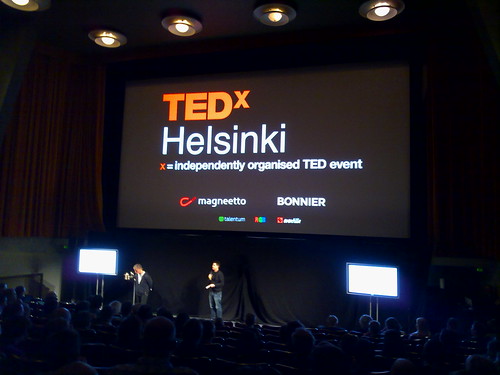
Was invited to attend the second edition of TEDx Helsinki last week, and I have to thank the organizers for a fantastic event. We had great speakers, awesome videos from official TED conferences and some very interesting insights. A quick bullet-point summary below.
- Sebastian Wernicke and how to create the ultimate TED talk using statistics (video). “Tool” available from get-tedpad.com.
- Esa Saarinen introduced us to the idea of Baby Radicalism, or what should we learn from toddler behaviour in our daily life: the power of smiling, growth and love.
- Juuso Nissilä went over how our biology hasn’t evolved as fast as our culture and society, and our bodies struggle to catch up with our conduct and environment.
- Bjarke Ingels showed us the power of letting ideas evolve in the architectural design process (video).
- Virpi Kuitunen gave us a very personal talk on the challenges of giving up something. “The most difficult thing of quitting is not leaving stuff behind, is starting anew as you don’t know what lies ahead”.
- Reidar Wasenius put the audience to exercise their brains for a little while.
- Anssi Vanjoki explored the power of volunteering and volunteer organisations. He mentioned the open source software movement and sports clubs as good examples, while contrasting them with the sad state of political party volunteering in Finland.
- Mikael Jungner talked about the illusion of control and how it affects the decision-making process giving biting examples from his time at the helm of YLE.
- Tom Wujec on the nature of collaboration (video). Openness, expertise and facilitation will go a long way.
- Kirsti Lonka showed us some of the challenges the Digital Natives pose to the way the education system in Finland currently works, and what are they doing to change it.
- Teppo Turkki talked about the rising economic, technological and even cultural influence of South Korea, Japan and China.
- Temple Grandin on how autistic minds work, and why they can and should be allowed to contribute to society (video).
- Jufo Peltomaa showed why the coming singularity won’t mean the end of the human race. In fact the emerging AIs will evolve so fast they will not care more for us than we do of, say, wolverines.
- Miina Savolainen closed the event with a bang, talking about the empowering quality of portrait photography: what it says of the photographer’s values and ways of communication. When you look at pictures, don’t only focus on what’s present, but also on what is not being photographed. More info on her website. You’ll never see family albums in the same way again.
All in all an enjoyable and inspirational occasion which I hope I can attend again.