The Great Ice Age of 2009-2010 is finally over and with the big melt behind us spring is upon the land, with summer not far behind. A chronicle in pictures of the changes brought by April below.
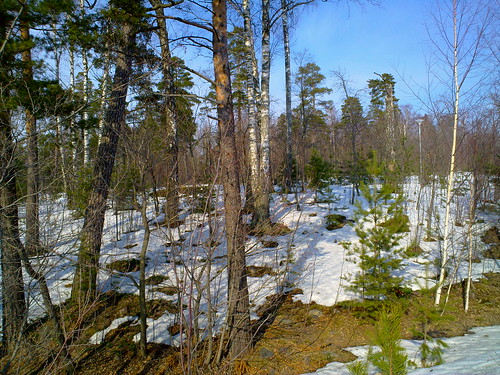
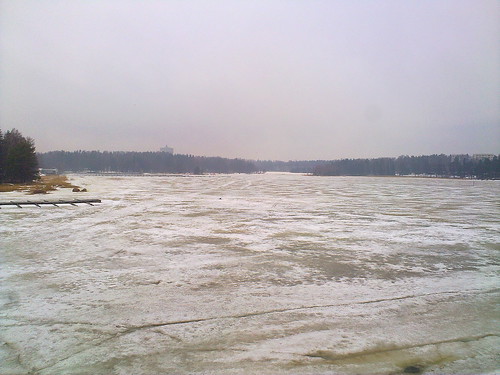
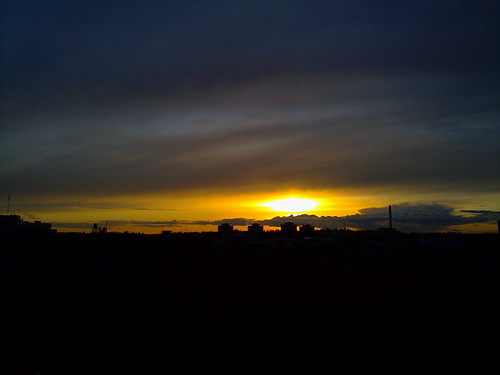
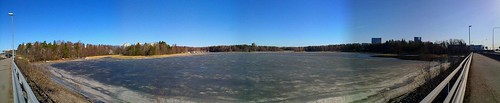

The Great Ice Age of 2009-2010 is finally over and with the big melt behind us spring is upon the land, with summer not far behind. A chronicle in pictures of the changes brought by April below.
After the latest soundbites from mainstream Finnish politicians regarding their stance against immigration and their apparent lack of hard knowledge of the subject, I decided to set the record straight.
With the help of Statistics Finland (Tilastokeskus), it was not difficult to find the exact numbers of immigrants living in Finland as of end of last year. The breakdown in the chart below.
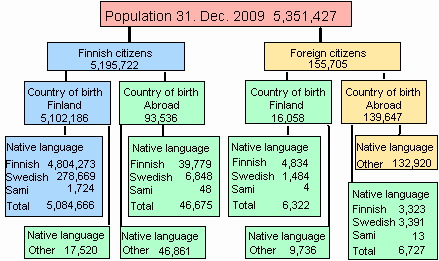
As you can see, 155k people of foreign citizenship live here (2.9% of the population and one of the lowest proportions in Europe). Of those, 34k are refugees, i.e. 22% of all foreigners in Finland and 0.64% of the total population of the country. Therefore, it is ridiculous to keep on mixing refugees with immigrants if they are only one fifth of the total amount of foreigners living here. By the way, that most demonised group of all, the Somalis, are less than 5k people in the whole country.
Now, after a little dose of facts, let’s tackle the 3 statements that have caught my attention lately:
These are only 3 recent examples from 2 mainstream parties, but also certain Centre candidates share the same views (Paavo Väyrynen anyone?) and obviously our “friends” the True Finns are the reason why this whole brouhaha started, after their critical stance of immigration won them many votes in the last elections. With the economy in the doldrums we knew immigration, with its demostration of the fear of otherness, was going to be an easy target to fish votes and unfortunately were not proved wrong.
Finland deserves better politicians (and politics) than this.
The snow and ice are fully gone and cycling season is on. Already close to 100km done in the past couple of weeks and I’m one happy camper (I mean, happy biker).
I could almost swear my body is adjusting to the exercise ;-).
As many have experienced this past week, I don’t think that it would be as rosy as Mr. Alain de Botton remarks. Our world is humongously interconnected as you can see in the TED talk below (from TEDx Volcano, an impromptu event created by speakers stranded in London due to the recent contingency).
Severing links, however temporarily, is extremely painful in both personal and economic terms. You can ask the 7 million stranded passengers for their opinions if you think otherwise. Many of them have been using social media tools to somehow cope with the situation, as Teemu Arina explains.
The past few days have looked quite a bit like a teaser of what a world without oil would be. Hopefully it serves as a wake-up call to us all.
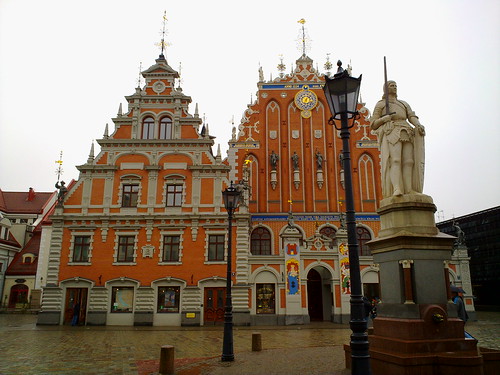
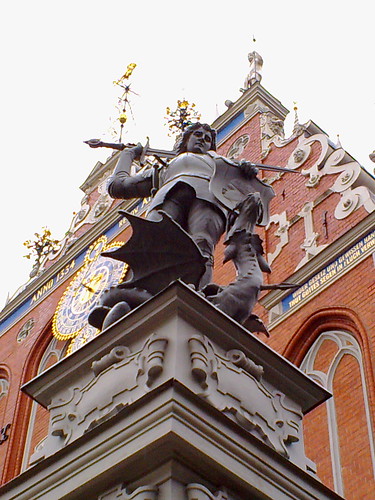
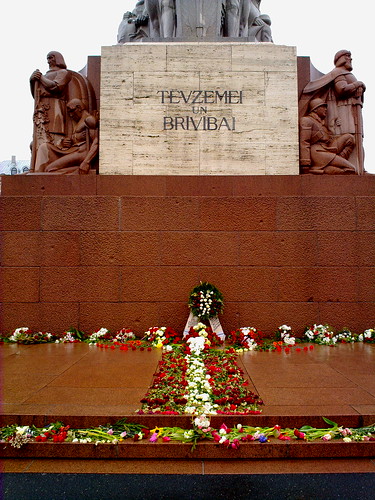
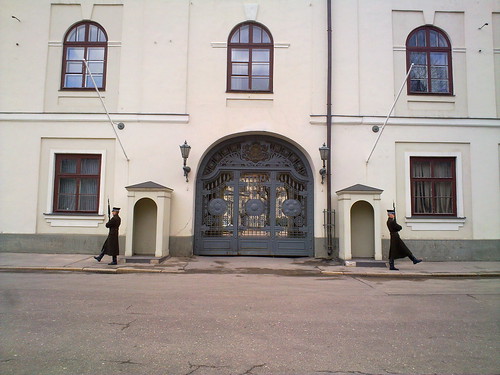
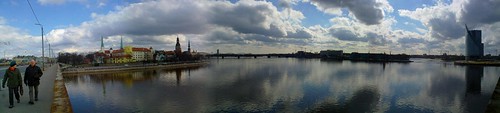
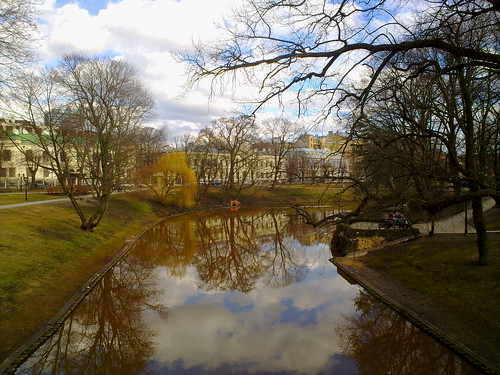
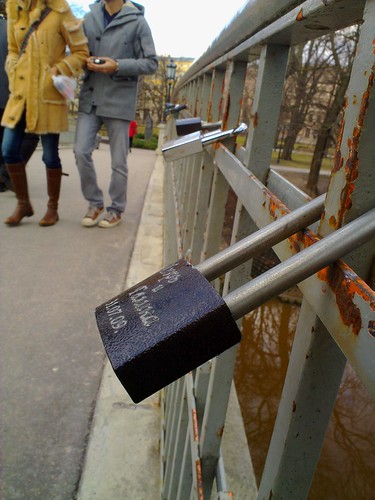
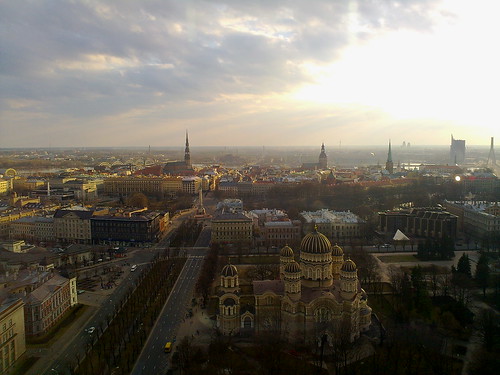
We were lucky enough to have spent a couple of days of the Easter weekend in Riga, capital of Latvia. The city has a great collection of Jugendstil (German Art Noveau) buildings from the 1930’s and it was very nice to walk in its cobbled streets, even if the weather was not much better than Finland. It was very interesting to see how much investment has come from the Nordic countries, with a large amount of Finnish, Swedish and Norwegian companies present in the country and a partly-renovated airport that looks decidedly similar to those of Oslo, Copenhagen, Stockholm & Helsinki with its use of wood, glass and iron.
The country has a long history of foreign occupations from Germany, Sweden and Russia, so a visit to its museums is definitely recommended to get some background information on the way the country came to be what it is. Furthermore, it currently tries to recover from the after-effects of the global financial crisis, when it’s economy pretty much collapsed. Not surprisingly, travelling here is relatively cheap, but due to inflation consumer prices are almost at Scandinavian levels.
The break was very welcome indeed and I’m happy to have crossed out the last of the Baltic countries I was missing.